
Textile|HTS Code
Textile belongs to HTS Subheading 5208.11, but the exact 8-digit Harmonized Tariff Schedule code depends on your product specifications. Select the correct code from this list based on your product details.
Woven fabrics of cotton, containing 85 percent or more by weight of cotton, weighing not more than 200 g/m² Unbleached Plain weave, weighing not more than 100 g/m²
Of number 42 or lower number
Of numbers 43 to 68
Of number 69 or higher number Suitable for making typewriter ribbon, containing yarns the average number of which exceeds 85 but not 237, the total thread count (treating multiple (folded) or cabled yarns as single threads) per square centimeter is not less than 94 and not more than 134, and in which the thread count of either the warp or filling does not exceed 60 percent of the total thread count of the warp and filling (220)
Of number 69 or higher number Other than Suitable for making typewriter ribbon, containing yarns the average number of which exceeds 85 but not 237, the total thread count (treating multiple (folded) or cabled yarns as single threads) per square centimeter is not less than 94 and not more than 134, and in which the thread count of either the warp or filling does not exceed 60 percent of the total thread count of the warp and filling (220)

DeepBeez

Founded in 2025
Tariff Tracker
Textile
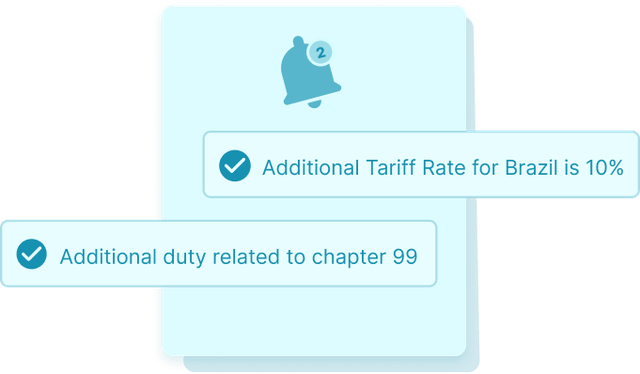
Import Requirements
Textile
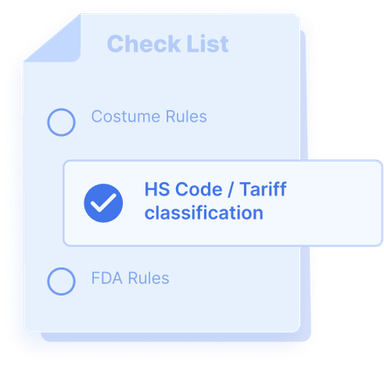
Import Data
Textile


AI Insight
Plastic Bucket under HS Code 3924-24 shows growing demand in 12 emerging markets with favorable duty rates and limited competition. Our AI has identified key compliance requirements, optimal sourcing regions, and upcoming tariff changes that could impact your margins. See the complete analysis to discover specific opportunities.










Market
Opportunities
Top 5 Partners by Quantity
 United States
 Australia
 India
India Canada


Textile HS Code description
Textile harmonized system code
Product Overview Textile classified under HTS 5208.11 is defined as a woven cotton fabric meeting the Chapter 52 criteria for cotton textiles: composed of 85% or more cotton by weight and produced as a lightweight woven cloth suitable for apparel and light household use. Key characteristics include construction parameters (warp/weft yarn counts expressed in Ne or tex, typical EPI/PPI or ends/picks per inch), nominal fabric weight expressed as g/m² (commonly ≤200 g/m² for this heading), typical widths (90–160 cm), weave types (plain, poplin, broadcloth variants) and post-weave processing levels (desized, scoured, bleached, dyed, mercerized, sanforized). Quality attributes cited for classification and trade include tensile strength (N), tear resistance (Elmendorf, N), colorfastness scores (AATCC scale), and shrinkage percentage after wash. Subcategories within 5208.11 are operationally differentiated by finish and treatment (e.g., bleached/undyed, dyed, printed), construction (plain vs. twill variants), and finishing processes (sanforized/relaxed), each used across retail, cut-and-sew apparel, technical interlining, and light home textile processing industries. HTS Code Classification & Trade Specifications Chapter 52 / Heading 5208 / Subheading 5208.11: classification is based on composition, construction and nominal fabric weight. The rationale for entry under 5208.11 is that the product is a woven fabric of cotton containing ≥85% cotton by weight and falling within the heading’s designated weight band and construction type; documentation should support fiber-content testing (e.g., ASTM D629) and fabric GSM measurement. Trade considerations: common commercial packaging is textile rolls on cardboard or plastic cores (roll weights 20–200 kg) or compressed bales wrapped in polyethylene with desiccant sachets; pallets should meet ISPM-15 requirements when wooden. Preservation methods include moisture control (RH ≤65%), fungicide-free packaging, and humidity indicator cards for long voyages. Shipping typically uses 20/40’ containers with breathable slip-sheets to avoid condensation. Quality standards and tests referenced include AATCC colorfastness, ASTM D5034 breaking strength, ISO 105 for color, and supplier QC certificates to support customs valuation and compliance.