


Titanium|HTS Code
Titanium belongs to HTS Subheading 8108.20, but the exact 8-digit Harmonized Tariff Schedule code depends on your product specifications. Select the correct code from this list based on your product details.
Titanium and articles thereof, including waste and scrap Unwrought titanium; powders
-

DeepBeez

Founded in 2025
Tariff Tracker
Titanium
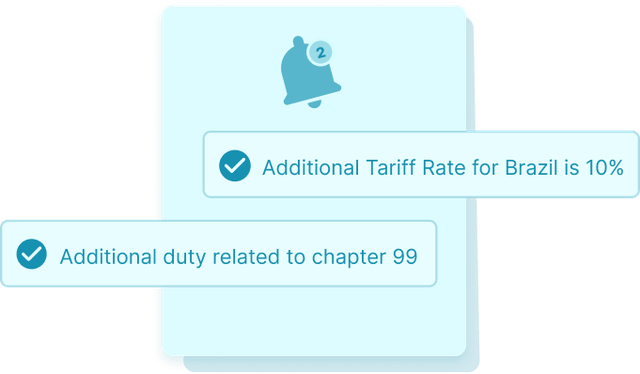
Import Requirements
Titanium
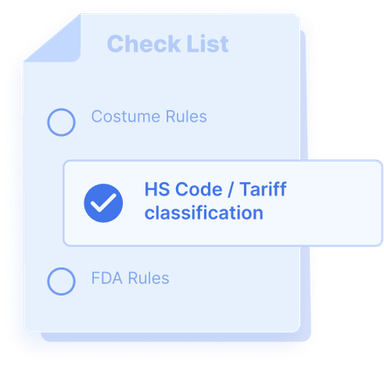

Import Data
Titanium


AI Insight
Plastic Bucket under HS Code 3924-24 shows growing demand in 12 emerging markets with favorable duty rates and limited competition. Our AI has identified key compliance requirements, optimal sourcing regions, and upcoming tariff changes that could impact your margins. See the complete analysis to discover specific opportunities.










Market
Opportunities
Top 5 Partners by Quantity
 United States
 Australia
 India
India Canada


Titanium HS Code description
Titanium harmonized system code
Product Overview Titanium classified under HTS 8108.20 denotes metallic titanium commodities covered by the Harmonized Tariff Schedule—specifically titanium in metallic forms (unwrought and primary forms, powders, sponge, and certain alloys) intended for industrial use rather than oxides or pigments. Key characteristics include a low density (~4.50 g/cm³), high melting point (~1,668 °C), and a microstructure of alpha/beta phases controlled by alloy content and thermal processing. Processing levels range from titanium sponge and remelted ingots through mill products (bars, billets, plates, sheets, rods) and atomized powders; surface conditions include pickled, mill‑finished, annealed, or passivated. Quality attributes emphasized by trade professionals are chemical composition (commercially pure grades versus Ti‑6Al‑4V and other alloy types), oxygen/impurity limits, vacuum‑remelt (VAR/EBR) traceability, grain‑size control, and mechanical property certification. Commercial applications covered by this classification include aerospace airframe and engine parts, medical implants and surgical instruments, chemical‑process equipment, power‑generation hardware, offshore/oil‑and‑gas fittings, and specialty automotive and sporting goods fabrication. Shipments typically are accompanied by mill test reports (MTRs) and lot traceability documentation to support classification and duty determination. HTS Code Classification & Trade Specifications Complete HTS structure relevant to this commodity: Chapter 81 — Other base metals; cermets; articles thereof; Heading 8108 — Titanium and articles thereof; Subheading 8108.20 — titanium in specified metallic forms (six‑digit HTS base used in U.S. tariff schedule). Classification rationale: consignments are classified here when the principal material is metallic titanium (not titanium dioxide or chemical compounds) and when commercial and technical documents identify form (unwrought, powder, sponge, scrap) and alloy/grade. For customs duty and compliance, importers should declare the full 10‑digit HTSUS number, country of origin, and provide mill certificates, chemical analysis, and heat/lot numbers; final duty rates depend on the 10‑digit classification plus applicable antidumping/countervailing (AD/CVD) measures, safeguard or Section 232 tariffs, and preferential trade programs. Trade considerations: common packaging includes wooden crating with steel banding, palletized mill packs, and inert‑gas or desiccant‑controlled sealed drums for powders; titanium powders/sponge may be subject to IATA/IMDG/49 CFR restrictions for pyrophoric or dust explosion hazards. Quality standards routinely referenced by customs and buyers include ASTM (B348, F67, F136), AMS specifications, NADCAP process controls, and documented limits for oxygen, nitrogen, hydrogen and iron tied to grade specifications.