


Tuna|HTS Code
Tuna belongs to HTS Subheading 0303.44, but the exact 8-digit Harmonized Tariff Schedule code depends on your product specifications. Select the correct code from this list based on your product details.
Fish, frozen, excluding fish fillets and other fish meat of heading 0304 Tunas (of the genus Thunnus), skipjack tuna (stripe-bellied bonito) (Katsuwonus pelamis), excluding edible fish offal of subheadings 0303.91 to 0303.99 Bigeye tunas (Thunnus obesus)
-

DeepBeez

Founded in 2025
Tariff Tracker
Tuna
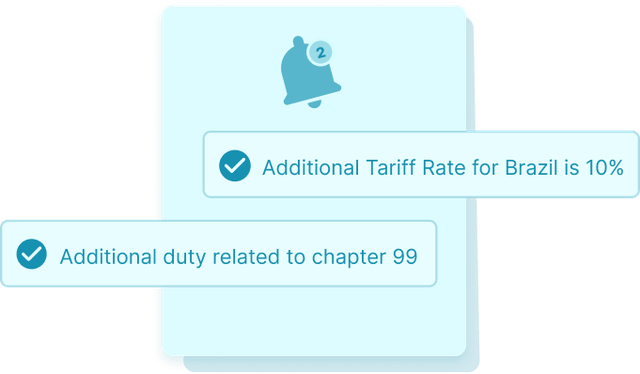
Import Requirements
Tuna
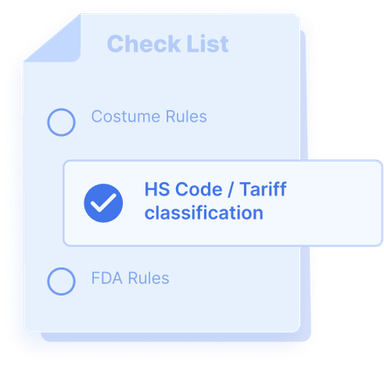

Import Data
Tuna


AI Insight
Plastic Bucket under HS Code 3924-24 shows growing demand in 12 emerging markets with favorable duty rates and limited competition. Our AI has identified key compliance requirements, optimal sourcing regions, and upcoming tariff changes that could impact your margins. See the complete analysis to discover specific opportunities.










Market
Opportunities
Top 5 Partners by Quantity
 United States
 Australia
 India
India Canada


Tuna HS Code description
Tuna harmonized system code
Product Overview Tuna classified under HTS 0303.44 (six‑digit 030344) refers to frozen tunas of the genera Thunnus spp. and Katsuwonus pelamis presented in whole or similarly unfilleted forms (whole, gilled-and-gutted (H&G), headed, trimmed but not filleted). Product definition used in trade documentation emphasizes species identification, presentation, and processing level. Key physical specifications routinely recorded are nominal whole-fish mass (commonly 2–250 kg depending on species), fork length, percentage fat (species dependent), and frozen core temperature at time of shipment (≤ −18 °C). Processing levels covered by this classification are primary catch-side operations only (evisceration, bleeding, chilling, blast or brine freezing); removal of fillets/meat would reclassify under HTS 0304. Quality attributes relevant for customs and procurement include species verification, absence of freezer burn, acceptable organoleptic condition on thaw, flesh firmness, and histamine control. Commercial subcategories transacted under 0303.44 include whole frozen, H&G, headed without viscera, and industrial bulk lots intended for canning, loin production, or secondary processing for retail and foodservice channels. HTS Code Classification & Trade Specifications Complete HTS structure: Chapter 03 — Fish and crustaceans; Heading 0303 — Fish, frozen, excluding fillets and other meat of heading 0304; Subheading 030344 — Tuna, frozen (six‑digit code 030344). Classification rationale: product presentation (whole or similarly unfilleted) and degree of primary processing determine placement in 0303 rather than 0304 (fillets/other meat). For duty calculation and clearance, trade considerations include continuous cold-chain control (recorded core temperatures ≤ −18 °C; reefer transport; blast‑frozen or brine‑frozen origin), packing conventions (PE‑lined insulated cartons, palletized, typical net-weights 10–30 kg), and mandatory commercial markings (species, catch area, vessel, harvest date, net weight). Required documents commonly include health certificates, catch/ICCAT documentation where applicable, commercial invoice and packing list. Quality standards referenced by regulators and buyers include FDA/HACCP compliance, histamine action levels per FDA guidance (≈50 mg/100 g), and voluntary certifications (MSC/ISO) where claimed; inspectors also verify frozen-at-sea claims and net-weight tolerances (commonly ±1–2%).
Tuna Chapter Note
1.- This Chapter does not cover : (a) Mammals of heading 01.06; (b) Meat of mammals of heading 01.06 (heading 02.08 or 02.10); (c) Fish (including livers, roes and milt thereof) or crustaceans, molluscs or other aquatic invertebrates, dead and unfit or unsuitable for human consumption by reason of either their species or their condition (Chapter 5); flours, meals or pellets of fish or of crustaceans, molluscs or other aquatic invertebrates, unfit for human consumption (heading 23.01); or (d) Caviar or caviar substitutes prepared from fish eggs (heading 16.04). 2.- In this Chapter the term “pellets” means products which have been agglomerated either directly by compression or by the addition of a small quantity of binder. 3.- Headings 03.05 to 03.08 do not cover flours, meals and pellets, fit for human consumption (heading 03.09).